Below you will find pages that utilize the taxonomy term “art history”
Posts
The Page as Object: What Illuminated Manuscripts Were Actually For
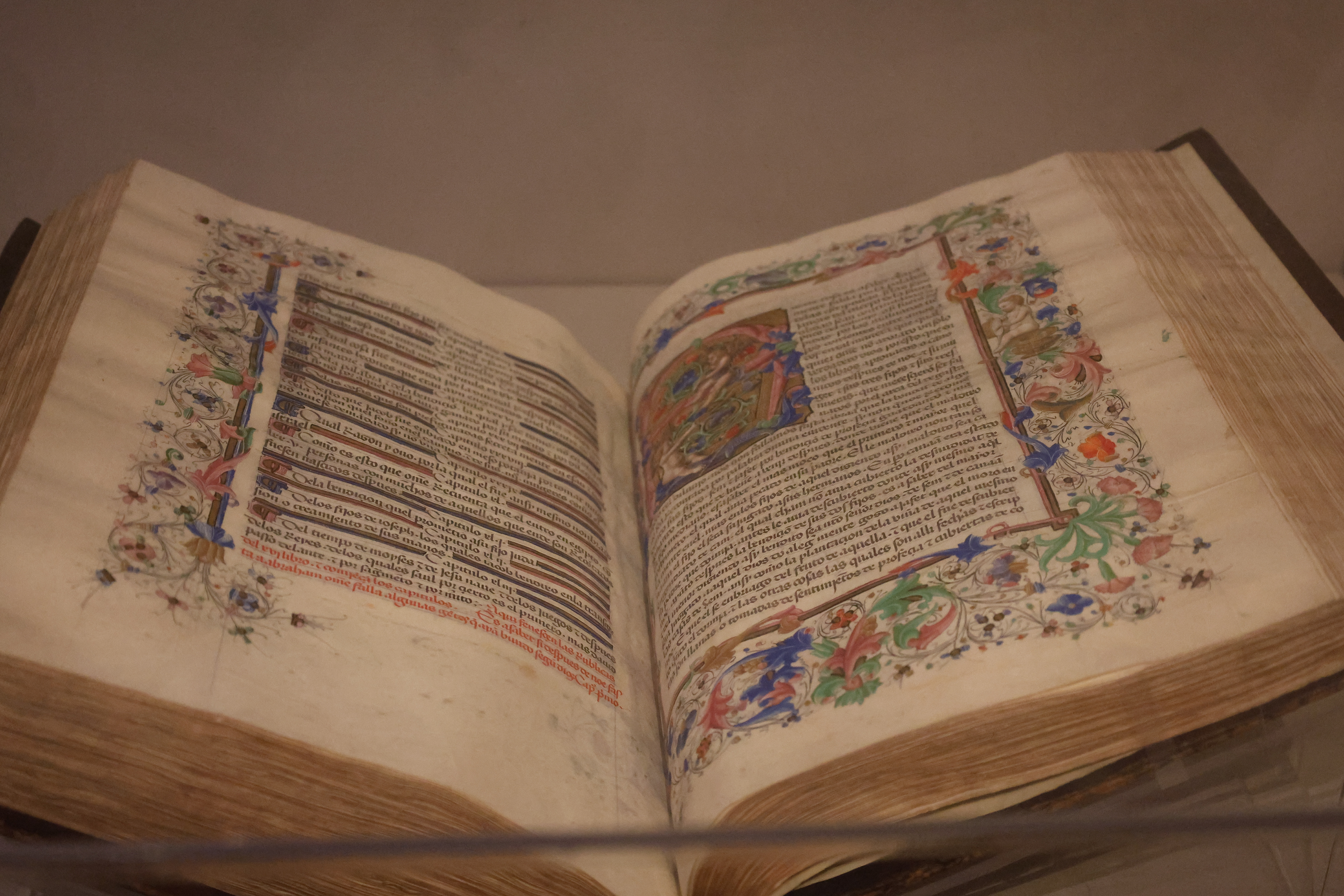
The illuminated manuscript is easy to misread as luxury. The floral borders, the painted miniatures, the red rubrication that punctuates columns of dense black script — these look, to modern eyes, like ornament. Like excess. The assumption is that the decoration exists to display wealth, and that the text is the real content while the image is the frame around it. Both assumptions are wrong.
The border was not decoration in the sense of being separable from the content.
Posts
How Mughal Emperors Used Manuscripts as Political Instruments
The illuminated manuscript was not a luxury object in the Mughal court. It was a technology of power. The emperors who commissioned them — Akbar above all, but also Jahangir and Shah Jahan — understood that a manuscript was not simply a record of something. It was an argument, a performance of sovereignty, a claim about who the emperor was and what kind of world he presided over.
Akbar’s great project, the imperial library known as the Kitabkhana, was a manufacturing operation as much as a cultural institution.
Posts
The Illustrated Book and What Happened to It
The separation of text and image in literary publishing is relatively recent and probably temporary. For most of the history of the book, illustration was not decoration. It was argument. It carried information the text did not repeat, extended the prose into registers prose could not reach, and shaped how readers understood what they were reading in ways that were direct and deliberate.
The great illustrated books of the nineteenth century make this clear.